Language

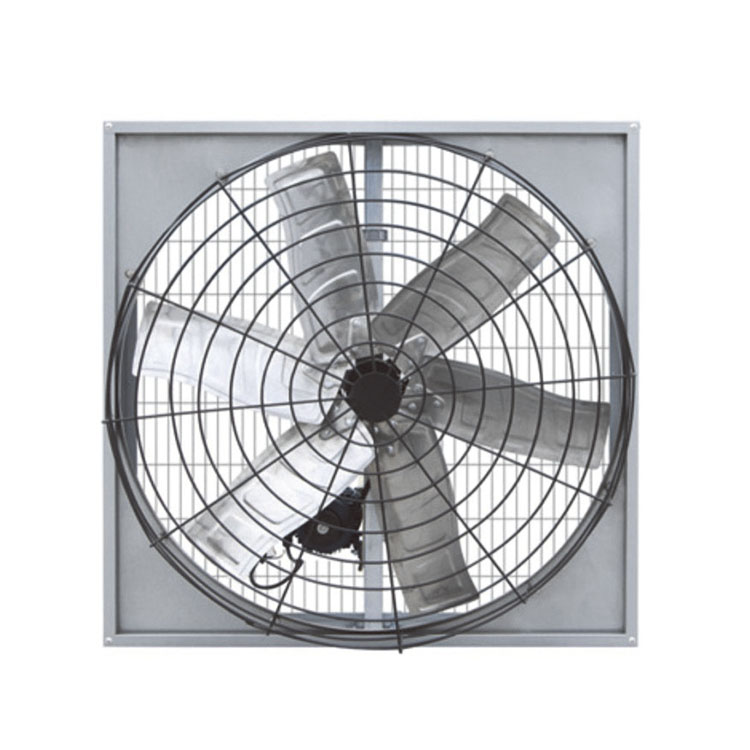
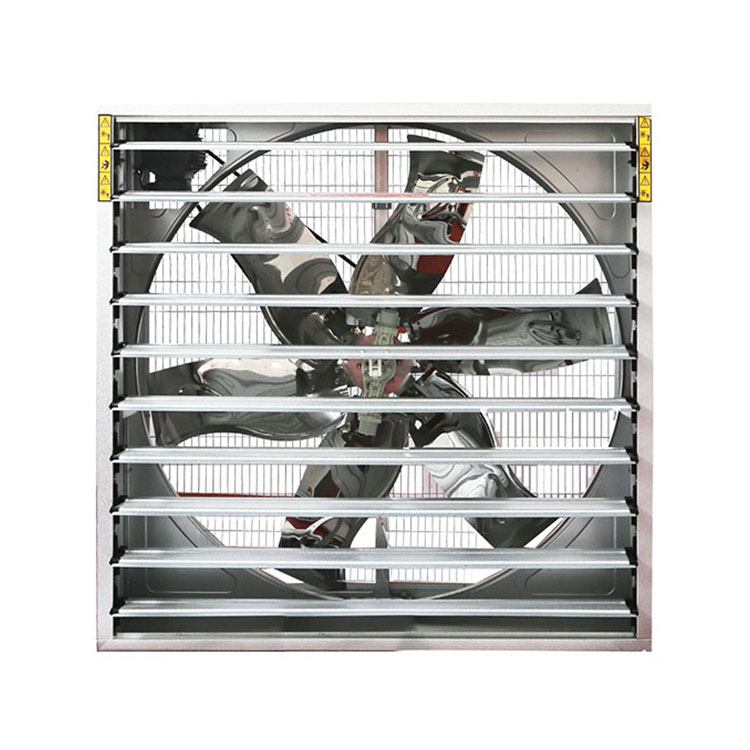
Consistent indoor air regulation stands as a core investment for modern livestock farming and industrial production operations, and Belt Cow Fan serves as a foundational ventilation device that balances airflow output, long-term durability and budget control for diverse working environments. Global farm operators and factory procurement specialists face multiple decision-making challenges while picking ventilation equipment, ranging from raw material discrepancies to drive system design differences. This detailed guide breaks down core design logic, raw material specifications, real-world application boundaries, parameter selection rules and maintenance protocols of belt-driven ventilation equipment, delivering actionable reference data for farm managers, industrial facility planners and wholesale hardware buyers across North America, Europe, Southeast Asia and Oceania.
Drive system configuration defines core operating stability of large ventilation machinery, and belt transmission layout has become a mature mainstream technical route after decades of iterative optimization in global ventilation industry. Unlike direct-connected fan units that link motor and blades in an integrated way, belt-driven structures set up flexible power transmission via high-strength rubber belts and multi-stage pulley combinations, creating effective buffer space against instantaneous overload caused by sudden air pressure fluctuation or foreign object blockage inside ventilation channel. Such structural advantages significantly cut motor burnout probability under unexpected working conditions, which explains the rising market demand of belt-type ventilation products in harsh high-dust, high-humidity working environments such as livestock barns and processing factories. Many mechanical design institutes across Europe and North America have published comparative test reports proving that properly configured belt transmission structure can reduce instantaneous load impact by over 32% during peak operation compared with fixed direct drive structures.
Matching diameter ratio between driving pulley on motor shaft and driven pulley fixed on fan spindle directly controls final rotating speed of fan blades, as well as overall airflow volume. Professional manufacturers complete pulley parameter calculation based on target air displacement and rated motor power, avoiding mismatched size leading to abnormal vibration or excessive belt abrasion. Customized pulley diameter adjustment also enables flexible airflow fine-tuning without replacing the whole motor set, a prominent cost-saving merit for farm operators who need to adjust indoor ventilation volume following seasonal temperature shift between summer heat and cold winter. Most mid-to-high end ventilation equipment adopts cast iron pulley with surface rust-proof treatment to resist corrosion from ammonia vapor and moist air inside livestock housing spaces.
Whole machine frame uses bending and welding integrated processing for most mainstream specifications, with reinforcing ribs arranged on key stress positions to enhance overall structural rigidity against long-term continuous vibration. Central rotating shaft chooses high-precision seamless steel pipe or solid round steel after quenching and tempering heat treatment, paired with double-side sealed bearing units to block dust and moist gas entering bearing inner cavity. Optimized shaft layout effectively lowers running noise and reduces regular lubrication frequency, greatly cutting later-period daily maintenance input for farm and factory management teams who lack full-time mechanical maintenance personnel.
Fan blade arc follows aerodynamic simulation data from fluid mechanics calculation, optimizing air capture and pushing efficiency while lowering turbulent flow loss during air circulation. Different blade quantity and camber options correspond to low-speed large-airflow and high-speed high-static-pressure two usage directions respectively. Blades crafted from stainless steel material gain outstanding anti-corrosion performance against livestock waste volatile gas, while galvanized iron blade versions take advantage of economical pricing for dry indoor factory environments with clean air quality.
Raw material selection is the core factor determining service cycle and environmental adaptability of ventilation machinery, and mainstream casing and blade raw materials in current global market are split into hot-dip galvanized steel and stainless steel two core categories, with auxiliary accessories including rubber belt, cast iron pulley and sealed bearing adopting respective dedicated raw material standards. Each material combination targets differentiated ambient humidity, corrosive gas concentration and long-term running intensity, allowing purchasers to pick matching configuration based on on-site actual environment rather than blindly pursuing low-price ordinary thin iron raw material which easily gets rusted within one to two years of service. Statistics from international livestock equipment association reveal over 60% early fan failure cases are caused by inferior raw material corrosion and structural deformation.
Hot-dip galvanized sheet undergoes full zinc dipping processing after stamping and bending, forming compact anti-rust zinc layer covering whole metal surface, suitable for dry factory workshops and well-ventilated greenhouses with limited corrosive gas content. This configuration keeps prominent cost advantages for large-batch centralized procurement projects, widely selected by medium and small-scale planting bases and ordinary processing factories across Latin America and Southeast Asia. However, long-term continuous exposure to high ammonia and high-humidity cow barn environment will gradually erode zinc coating layer, accelerating surface rust formation after three to five years of uninterrupted operation.
304 stainless steel becomes the preferred raw material for high-end breeding farms and chemical processing workshops, featuring inherent acid and alkali resistance without extra surface anti-rust coating. Blades and whole frame made from this material can withstand long-term erosion from livestock excrement volatile ammonia and workshop acidic waste gas, doubling average usable lifespan compared with galvanized counterparts. Though initial procurement cost rises moderately, overall comprehensive cost drops significantly from reduced replacement and maintenance expense over long-term operation, a cost-effective choice for large-scale modernized dairy and beef cattle breeding groups.
Transmission belts adopt multi-layer core rubber mixed with high-strength fiber cords to resist stretch deformation under long-term repeated tension, avoiding frequent slipping leading to airflow decline. Bearings use fully sealed waterproof and dustproof type with high-temperature resistant grease pre-filled inside, adapting wide ambient temperature fluctuation ranging from minus 10℃ up to 60℃ commonly seen in open-air installed ventilation equipment for farms.
As a professional integrated ventilation equipment producer with more than two decades of industry experience, Shandong Jienuo Thermostat Equipment Co., Ltd. implements full incoming material inspection system for all raw material batches, carrying out thickness measurement, anti-corrosion performance test and mechanical strength detection before production to eliminate unqualified raw material entering assembly lines and stabilize finished product consistent quality for global clients covering over 20 export countries and regions.
Multi-scene adaptability is a core competitive edge of belt-driven ventilation units, with mature practical application accumulated in animal husbandry, facility agriculture and diversified industrial production fields after years of market verification. Different application environments put forward differentiated airflow requirement and anti-corrosion standard, guiding purchasers to match corresponding material specification and equipment size while selecting products, and the second Belt Cow Fan placement in global application data comes from large-scale dairy cow breeding industry’s continuous renewal demand for environmental control equipment.
Cattle, dairy and sheep barns always face prominent problems of excess ammonia concentration, overhigh ambient temperature and excessive moisture caused by animal respiration and waste decomposition. Continuous negative pressure ventilation formed by wall-mounted belt fans exhaust harmful gas and hot humid air outwards, bringing in fresh outdoor air to stabilize indoor temperature and humidity within comfortable raising scope. Stable ambient condition effectively reduces livestock respiratory disease incidence and improves daily feed intake and weight gain efficiency, a key economic benefit driving global cattle farm owners to phase out outdated low-efficiency ventilation solutions year by year. Most large dairy farms in North America, Australia and Western Europe arrange spaced fan layout along barn side walls following standardized ventilation calculation formulas.
Greenhouse enclosed space easily accumulates excessive heat and carbon dioxide in hot summer, restraining crop photosynthesis and slowing fruit development speed. Belt ventilation fans coordinate with wet curtain cooling system to build complete circulating cooling and fresh air exchange system, quickly lowering interior ambient temperature and adjusting CO₂ concentration to optimal planting range for vegetables, fruits and ornamental seedlings. Medium-sized greenhouse bases commonly select medium specification fan models with moderate air displacement to balance energy consumption and ventilation efficiency.
Production workshops of food processing, textile and light chemical industries generate heat, peculiar smell and tiny floating dust during continuous production process, needing regular air replacement to improve worker operating environment. Large storage warehouses prone to goods mildew under high humidity also rely on constant air circulation brought by belt fans to control indoor moisture index within safe storage range. Such scattered industrial procurement demands steadily push sustained market expansion of medium and large-size belt ventilation equipment across emerging manufacturing markets.
Standard specification system of belt ventilation equipment is classified by overall outer dimension measured in inch unit, covering mainstream sizes ranging from 36 inch up to 60 inch in current international market, each corresponding matched motor power and rated hourly airflow value measured in cubic meter. Reasonable specification matching must calculate total enclosed space cubic volume, target air exchange frequency and local average seasonal temperature variation, avoiding undersized units failing to reach expected ventilation effect or oversized models causing unnecessary power waste and extra procurement expense. Industry general reference standard sets 6 to 12 times hourly air exchange rate for common cow barn space, while greenhouse usually needs 12 to 18 times air circulation under high-temperature summer condition.
When calculating total required fan quantity, extra 10% to 15% specification reserve is suggested to cope with extreme high-temperature weather or temporary overstocked livestock quantity, leaving sufficient performance margin for long-term stable running of whole ventilation system, the third Belt Cow Fan related practical rule widely recommended by global breeding equipment consultants.
Standardized field installation directly reduces later-period abnormal failure probability and extends whole machine service cycle, and wall embedded mounting remains the most popular installation form for barn and factory ventilation fans. Improper hole cutting, inclined mounting and loose expansion bolt fixing are three top installation errors frequently spotted in amateur construction work, triggering fan abnormal shaking, belt eccentric wear and declining ventilation efficiency within short usage period.
For high-wall industrial factory space beyond four meters height, auxiliary hanging bracket customized according wall structure is required to ensure fan stable suspension mounting without long-term vibration induced wall crack risk.
Scientific periodic maintenance effectively avoids premature scrapping of ventilation equipment caused by neglected small faults, and regular inspection focuses on belt tightness, bearing operating status and fan surface dust accumulation three core parts. Most farm operators ignore routine check work leading to sudden fan shutdown during hot summer peak ventilation demand, severely disrupting indoor environmental balance of livestock housing, the fourth Belt Cow Fan related common pitfall summarized from global after-sales service data.
Stop power supply before all maintenance operations to eliminate accidental startup safety hazard, especially during cleaning work near rotating fan blades.
Global farm group purchasers and industrial project procurement managers need to complete multi-dimensional qualification verification before large-volume ordering, and selecting qualified production supplier is the precondition to obtain stable-quality Belt Cow Fan products and timely after-sale technical support. Many small-scale trading companies source scattered small workshop goods with inferior raw material, bringing hidden troubles of frequent breakdown and short service cycle for end users after delivery.
Looking for cost-effective ventilation equipment with free sample test and customized dimension solution? Click below button to contact us
GET FREE QUOTATION