Language

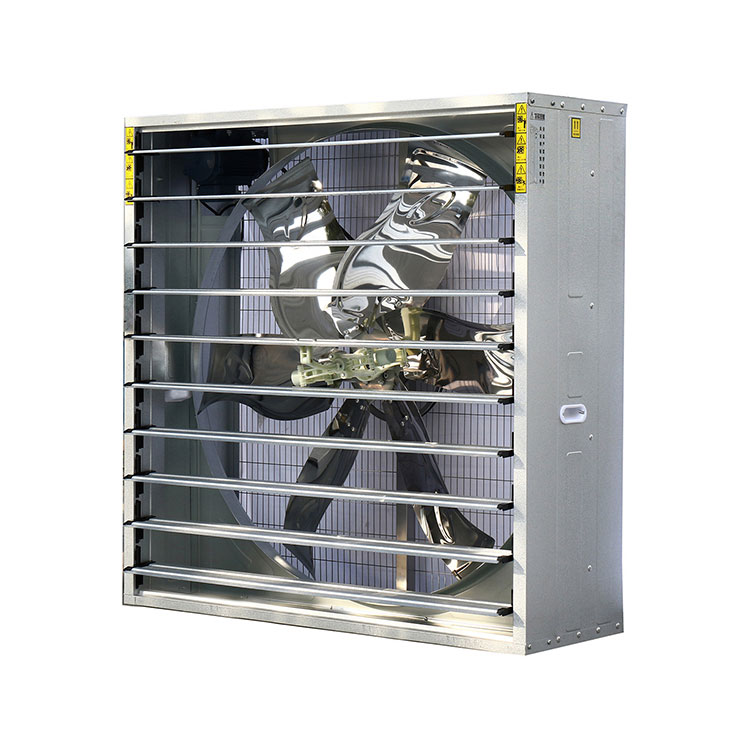
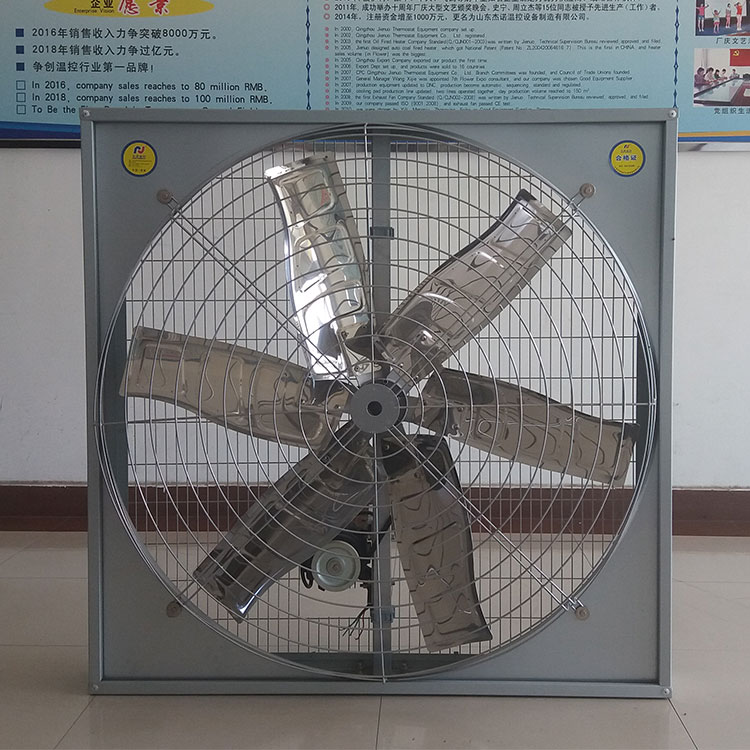
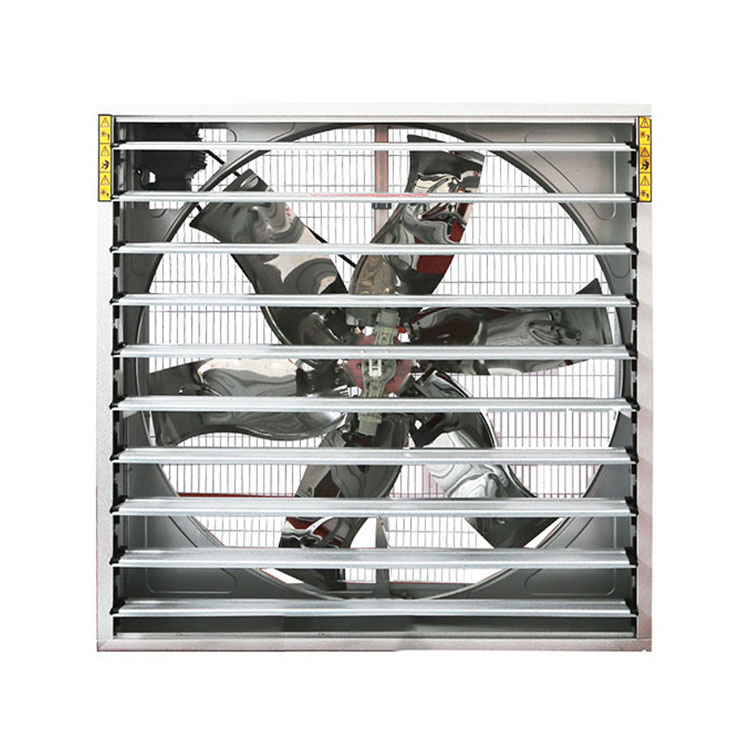
Ventilation has become an increasingly important factor in modern dairy farming as producers pay greater attention to livestock comfort, barn air quality, and environmental management. The Round Cow House Fan represents a type of mechanical air circulation equipment used in agricultural buildings to support airflow and improve indoor environmental conditions. By moving air across occupied areas, ventilation fans can help reduce heat accumulation, manage moisture, and create a more comfortable environment for dairy cattle.
Dairy cows continuously generate body heat and moisture. In enclosed or poorly ventilated buildings, these conditions can contribute to rising temperatures, increased humidity, and the accumulation of airborne contaminants. During warm weather, insufficient airflow may increase heat stress, potentially affecting animal behavior, feed intake, and milk production.
Effective ventilation helps exchange indoor air with fresh outdoor air while distributing airflow throughout the building. Natural ventilation relies on wind pressure and temperature differences, whereas mechanical systems use fans to provide more controlled air movement. Many modern dairy facilities combine both approaches to maintain suitable conditions across different seasons.
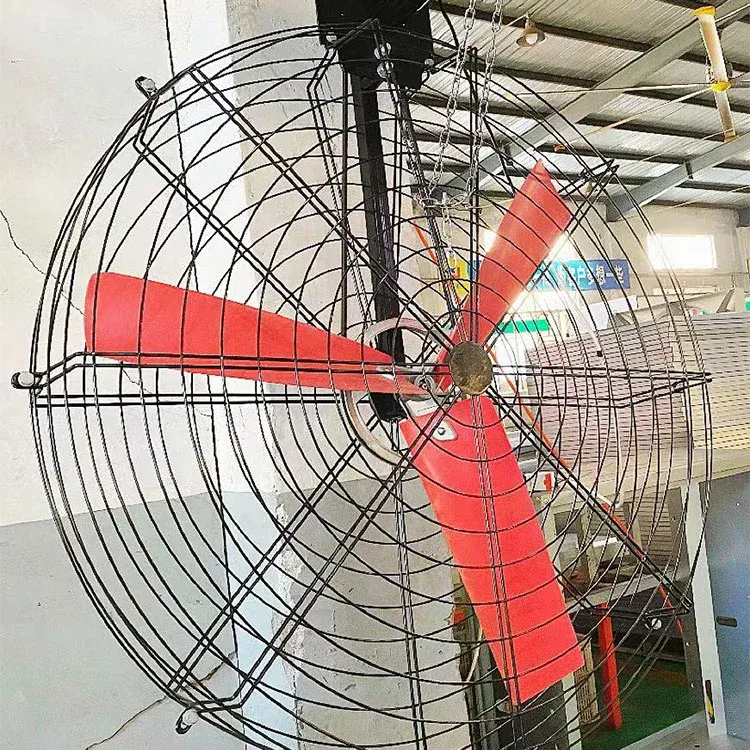
The structure and installation of ventilation equipment influence how effectively air moves through a livestock building. A Round Cow House Fan can be incorporated into an agricultural ventilation arrangement to circulate air around feeding areas, resting spaces, and other locations occupied by cattle.
Fan diameter, blade configuration, motor performance, mounting height, and installation angle all influence airflow distribution. Proper positioning helps reduce stagnant areas and directs moving air toward the level where animals spend most of their time. However, airflow performance depends on the overall barn structure rather than fan design alone.
Heat stress is a significant environmental challenge for dairy operations, particularly during hot and humid summer periods. Increasing air velocity around cows helps improve convective heat loss, allowing animals to release body heat more effectively. Circulation fans are therefore frequently used alongside natural ventilation and other cooling measures.
In this context, the Round Cow House Fan can contribute to a broader cooling strategy by improving air movement in selected barn areas. Some farms also combine mechanical airflow with appropriately managed sprinkler systems. Water applied to the cow's skin can evaporate and remove heat, while adequate air circulation supports the evaporation process.
Choosing ventilation equipment requires an assessment of barn dimensions, animal numbers, ceiling height, existing air inlets, and seasonal climate conditions. Simply installing additional fans does not guarantee better ventilation. Poor positioning, restricted airflow paths, and inadequate maintenance may reduce system effectiveness.
Energy consumption is another important consideration. Fan efficiency can be evaluated by comparing the volume of air delivered with the electrical power required. Regular cleaning of blades and protective components, inspection of motors and electrical connections, and timely replacement of worn parts can help maintain operating performance.
Farm operators should also consider adjustable-speed controls and temperature-based operating strategies where appropriate. These approaches allow ventilation output to respond to changing environmental conditions rather than operating every fan continuously at maximum capacity.
As dairy farming becomes more focused on animal welfare, environmental monitoring, and resource efficiency, ventilation management is expected to remain an important part of facility planning. Temperature sensors, humidity monitoring, automated controls, and improved fan technologies are creating opportunities for more responsive barn environments.
The Round Cow House Fan is part of the wider development of mechanical ventilation solutions for agricultural buildings. Its practical contribution depends on correct equipment selection, suitable installation, and integration with the farm's overall ventilation strategy.
Ultimately, effective dairy barn ventilation requires more than moving air. It involves balancing fresh air exchange, temperature management, moisture control, animal comfort, and energy consumption. A well-designed ventilation system can help create more stable indoor conditions and support the long-term development of modern dairy farming.